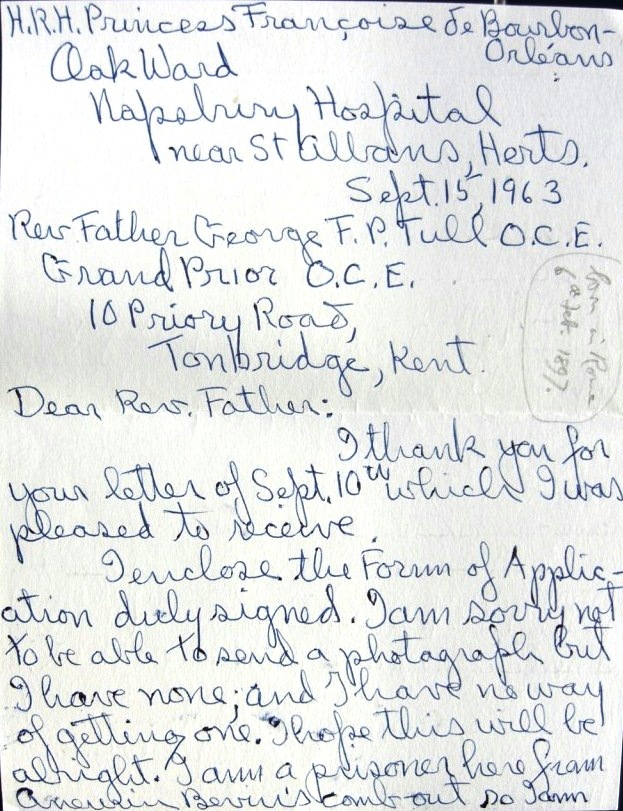
 One of the more extraordinary members of the San Luigi Orders was Princess Françoise de Bourbon-Orléans (1897-1992). She was admitted to the Order of the Crown of Thorns in 1963.
Princess Françoise asserted that she was the illegitimate daughter of Prince Henri d’Orléans and was taken to Oregon where she was adopted and given the name Opal Whiteley. The truth or otherwise of her claims to royal descent have always been the subject of fierce controversy, but she was consistent in maintaining them throughout her life, and her grave bears her royal designation alongside her adoptive name.
She was noted early on as being a child prodigy of extraordinary intelligence, with particular abilities in nature study and the ability to memorize and classify vast amounts of information on animals and plants. Soon, The Oregonian began a series of laudatory articles about her. She published what she presented as her childhood diaries in The Story of Opal, which gained wide attention and lasting acclaim.
After leaving university, she became a public lecturer. In 1923, the financial support of Lord Grey of Falloden enabled her to come to England. Travelling to France, she met and was accepted by Prince Henri’s mother, also Princess Françoise, and she provided her with the necessary funds to travel to Udaipur in India, where Prince Henri had died, so as to discover more of his life there. In India, she was the guest of the Maharaja of Udaipur and made detailed photographic and written accounts of her experiences.
In 1925 she returned to England, leaving for Rome in 1926 and then on to Austria where she lived in a convent. She returned to England in 1927 and divided her time between London and Oxford, writing about her experiences and collecting books, including many on her Catholic faith. During the 1930s she appears to have suffered some form of mental crisis. This situation was exacerbated when she suffered a head injury during the bombing of London in the Second World War.
In 1948 she was found to be unable to look after herself, and was committed to Napsbury psychiatric hospital for the remainder of her life as a result. It was here that she received the accolade of the Order of the Crown of Thorns. Several letters from her survive in our archives and they are tragic in tone, with Princess Françoise making it clear that she was being held in Napsbury against her will, and denied access to her books and archives.
BBC Radio 4 broadcast a programme about her in 2010 and in the same year a film was made of her life. Several biographies of her have been published.
>>The Diary of Opal Whiteley (University of Oregon)
>>The Fantastic Tale of Opal Whiteley (Steve McQuiddy)
>>Biography (Wikipedia)


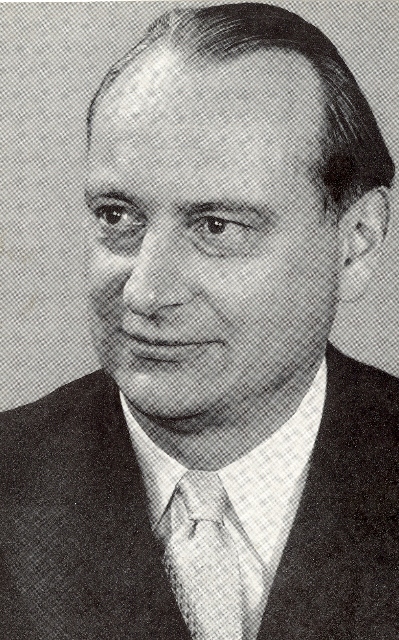 Prince Louis Ferdinand of Prussia (1907-94) was High Protector of the Order of Antioch from 1960 onwards. His father, Prince Wilhelm of Prussia, had been a member of the Order of the Crown of Thorns. His wife, Grand Duchess Kira Kirillovna of Russia, was the daughter of Grand Duke Cyril Vladimirovich of Russia, head of the Imperial House of Russia and also a member of the Order of the Crown of Thorns.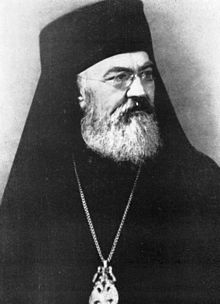
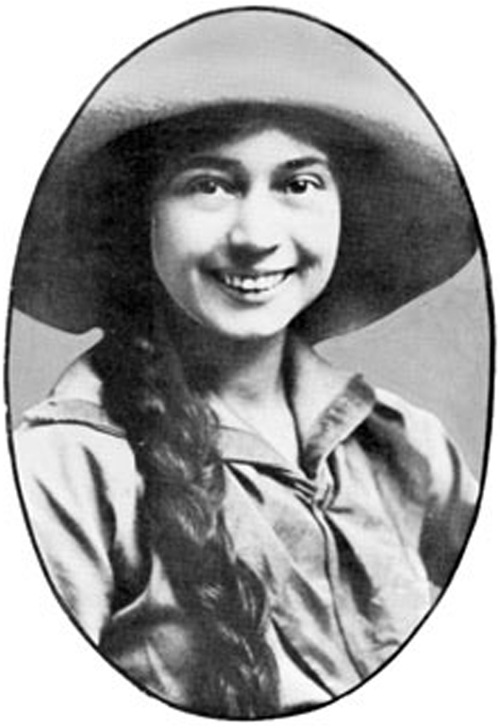

 General Strzelczyk was appointed Commandeur of the Order of the Crown of Thorns on 1 November 1934 and promoted to Grand Cross on 15 August 1956. He received the Grand Cross of the Order of the Lion and the Black Cross on 2 February 1936. He was appointed Chanoine d’Honneur de l’Ancienne Abbaye de San Luigi on 4 March 1936. He also received the rare honour of a title of nobility conferred by the Abbey-Principality, when Prince-Abbot Edmond II conferred upon him the title Duke of the Crown of Thorns. From 1963 he served as Grand Prior of the San Luigi Orders for Poland.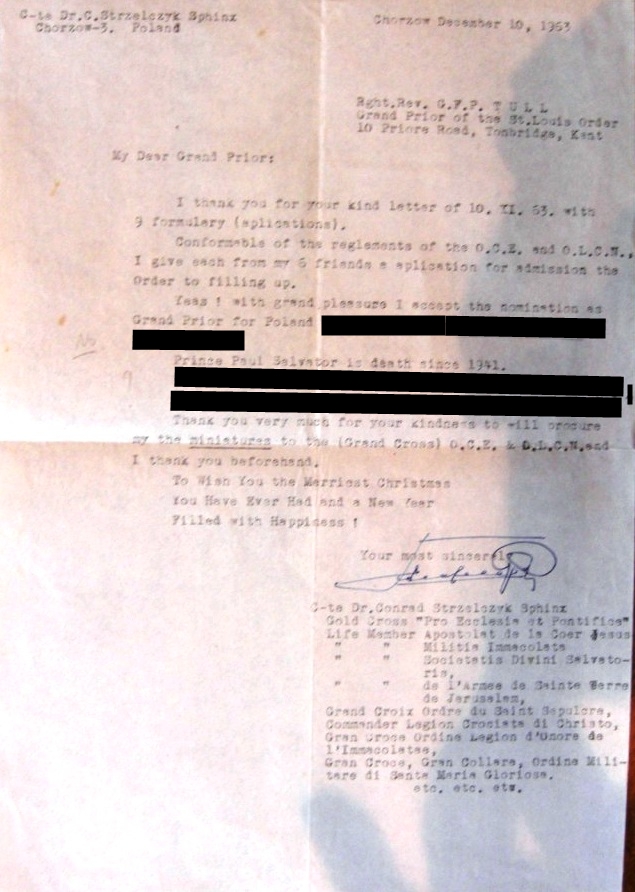

 The Abbey-Principality of San Luigi
You must be logged in to post a comment.